Which lapping is right for me and my bow?
Exploring the Different Types of Lapping on Bows
When it comes to bows, the lapping serves as an essential element, both functionally and aesthetically. Lapping is the material wrapped around the handle area of the bow, it enhances grip and comfort for the player and importantly, protects the stick of the bow from your hands. Different types can impact the bow's weight, balance, durability, and visual appeal. Below, we will break down the various lapping materials, hopefully helping you choose the right one for you and your bow.
1. Sterling Silver
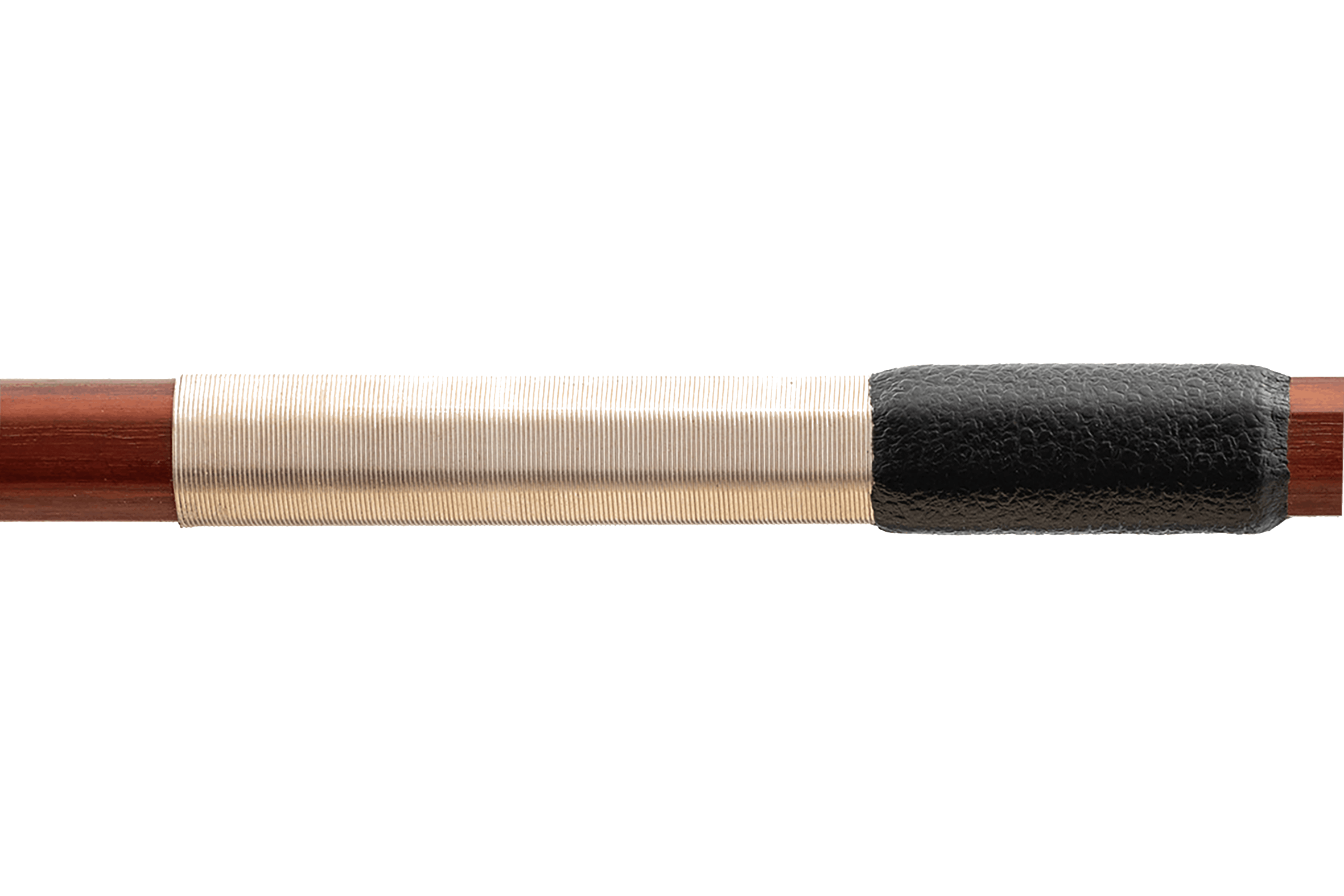
Silver Lapping
Sterling Silver lapping is made from genuine silver wire and is known for its durability and high-end aesthetic. The wire comes in different thicknesses, allowing the bowmaker/restorer to adjust the weight to suit the player's/bow’s needs. A thicker silver lapping will add more weight and move the balance more towards the handle, while a thinner lapping can make the bow lighter giving a more tip heavy feel.
Benefits:
Can help adjust weight and balance of the bow
Highly durable
Elegant, shiny finish
Silver lapping is one of the most common lappings found on bows, it’s long lasting, looks professional and can help adjust the weight and balance of the bow to suit the players needs.
2. Silk
Silk lapping, made from silk thread, is a lightweight option that provides a smooth and comfortable grip. This option comes in a wide array of colours, allowing for customization in design. You can even mix different colours to create intricate patterns. A full silk lapping is typically used when the goal is to keep the bow as light as possible.
Benefits:
Extremely lightweight
Customizable with different colors and patterns
Great for players who prioritize a lighter feel
Silk lapping is perfect for players who want to maintain a light and responsive bow without adding extra weight, though not as durable as a silver lapping.
3. Silk and Silver
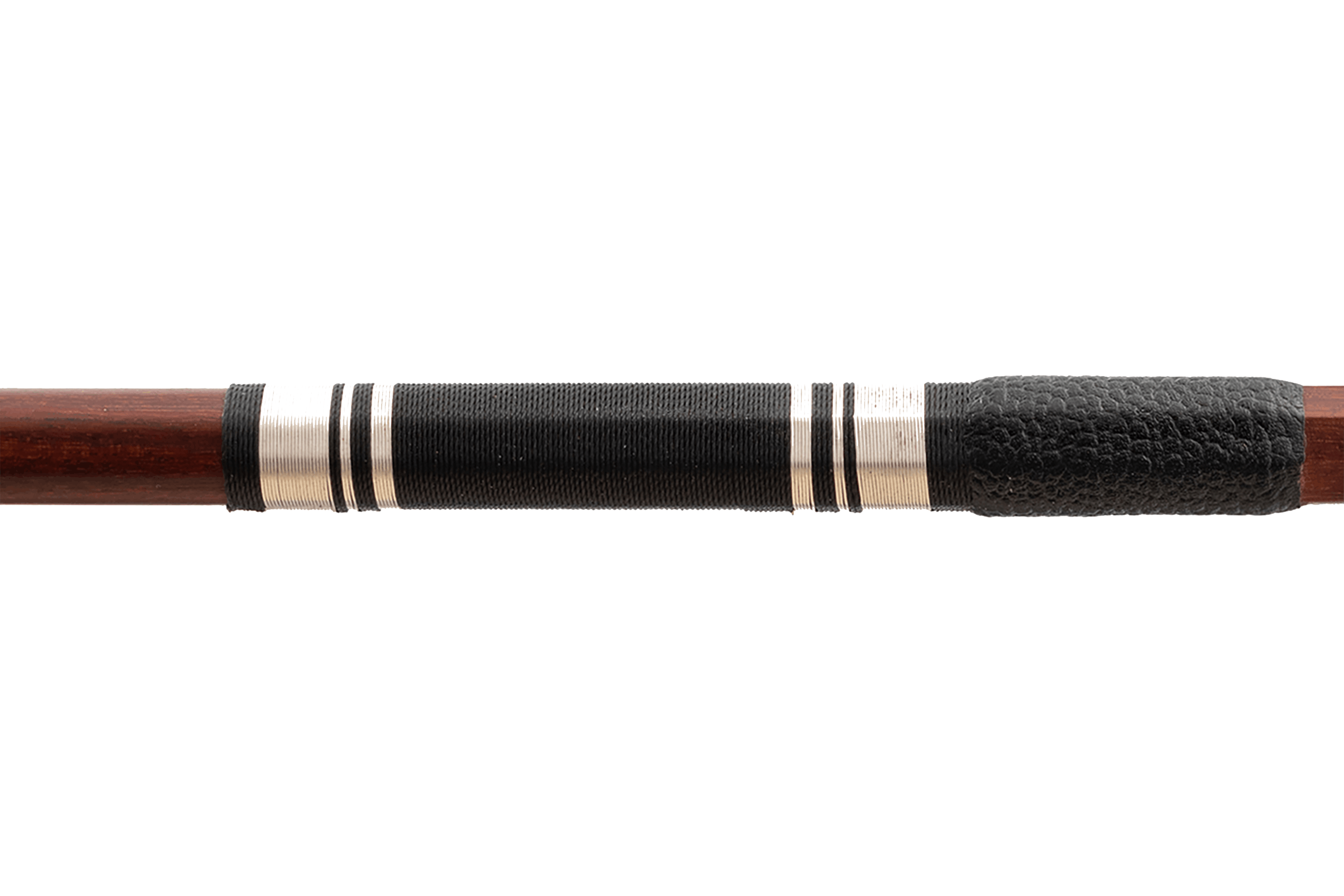
Silk and Silver Lapping
As the name suggests, this option combines both silk thread and silver wire. The silk provides a lightweight touch, while the silver adds durability and weight. You can also customize the colour patterns with the silk, making it a visually appealing option.
Benefits:
Balances weight and aesthetics
Customizable with different colors and patterns
Suitable for most bows, particularly when weight isn’t a primary concern
This type of lapping is ideal for those who want a stylish and functional bow, with a combination of elegance and balanced performance.
4. Whalebone Imitation (Plastic)
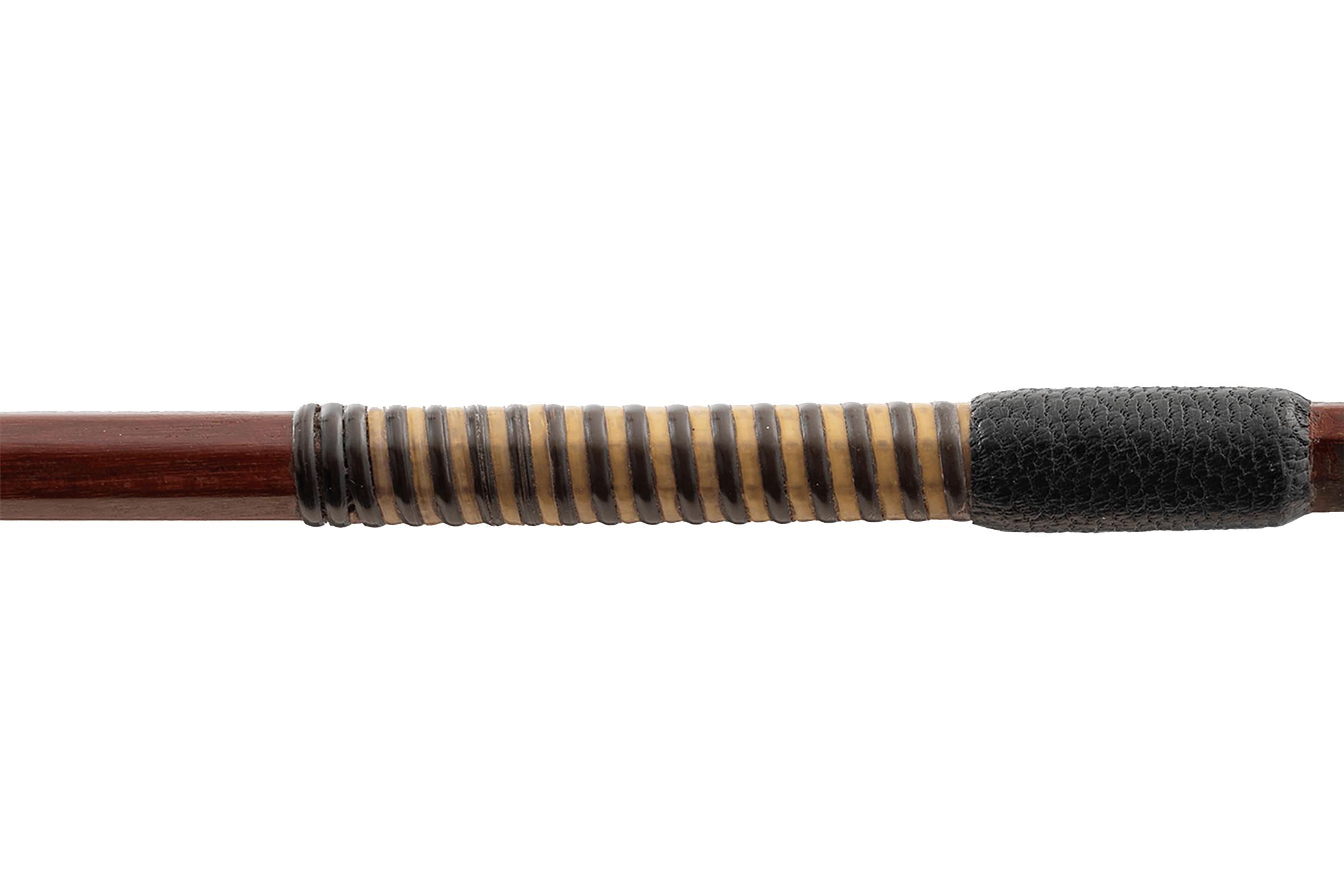
Whalebone Lapping
Originally, ‘whalebone’ was made from baleen, a natural material found in the mouths of whales. However, due to environmental concerns, the use of baleen was banned in 1973. Today, whalebone imitation is made from plastic, offering a lightweight and visually appealing option. This material is often chosen for bows that aim to replicate a traditional look, or for players who want to give their bow a classic feel.
Benefits:
Lightweight and traditional appearance
Often used to maintain a vintage or 'classic' look
A more durable alternative to other lightweight options like silk
While lightweight, whalebone imitation (plastic) lapping is still a popular choice for its vintage charm and historically inspired aesthetics, whilst offering more durability than other lightweight options.
5. Tinsel
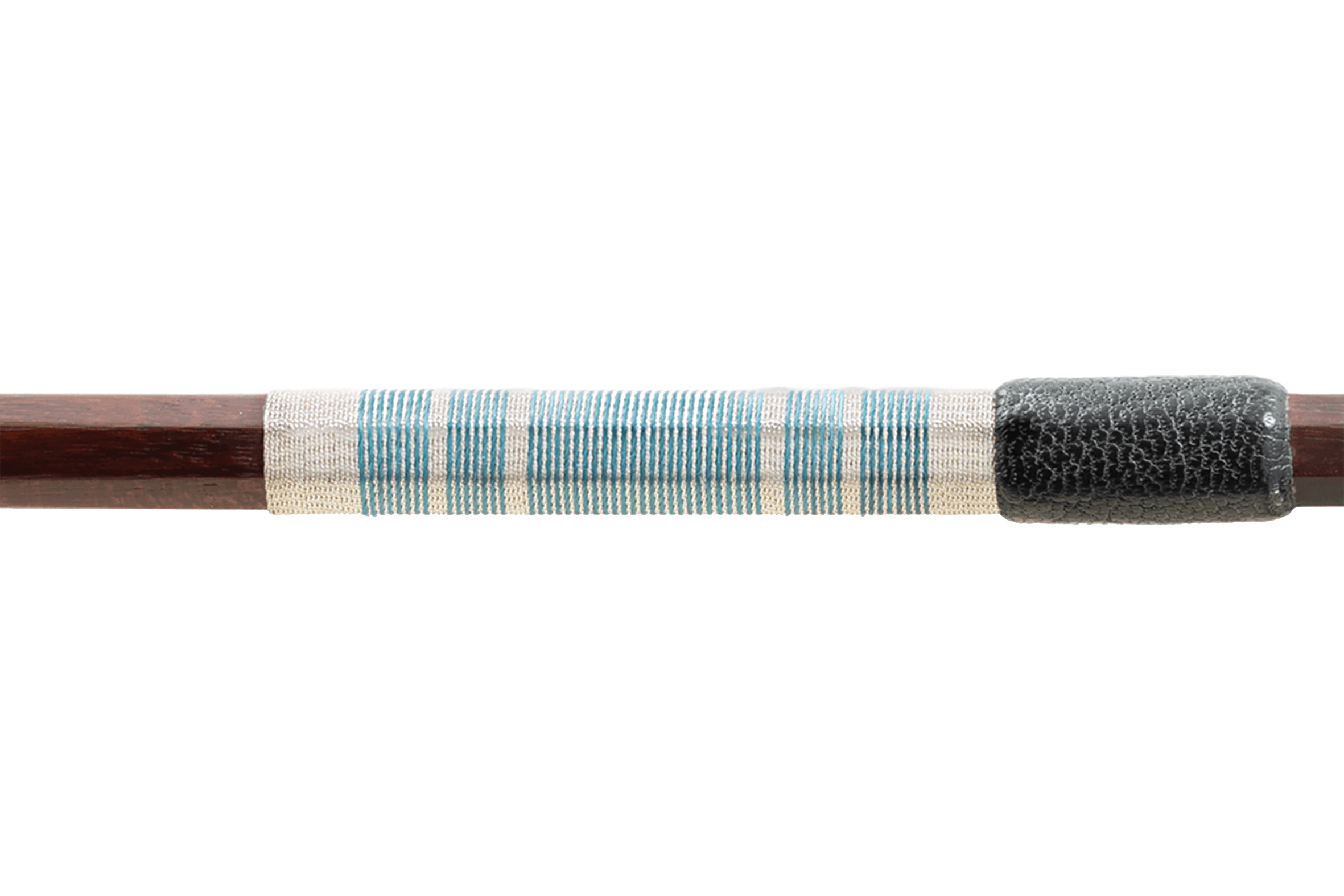
Tinsel and Silk Lapping
Tinsel lapping consists of silk thread wrapped in a thin silver winding. This combination offers the best of both worlds: the softness and lightness of silk, with the aesthetic appeal of silver and slightly more durability. Tinsel lapping can also be combined with other lapping materials, like regular silk or whalebone imitation, to create intricate and eye-catching patterns.
Benefits:
Lightweight
Aesthetic and custom designs
Can be combined with other lapping materials for added complexity and uniqueness
Tinsel lapping is perfect for players looking to create a unique, decorative design on their bow that has the visual appearance of silver but at a fraction of the weight.
6. Leather
Some bows feature leather as the primary lapping material, covering the entire area of the lapping and the thumb leather. While leather is a natural material that offers a comfortable grip, it tends to wear out relatively quickly due to constant contact with the thumb and fingers. For this reason, leather lapping is not always a practical option for most players, as it requires frequent replacements.
Benefits:
Comfortable grip
Lightweight option
However, due to its tendency to wear out faster than other materials, leather is typically not recommended for everyday use.
7. Nickel Silver
Nickel silver serves as a more economical alternative to sterling silver. However, it is important to note that the term "nickel silver" can be somewhat misleading, as this material does not contain any actual silver; rather, it is designed to mimic the appearance of silver. While nickel silver provides similar functional benefits to sterling silver, it falls short in terms of visual appeal. Its darker hue and reduced light reflectivity set it apart from the brighter, more lustrous finish of sterling silver.
The cost difference between the two materials is relatively modest, which is why at Briggs Bows, we prioritize the use of sterling silver for our lapping. We believe that the enhanced aesthetic quality of sterling silver offers a superior option for our clients.
Which is Right for You?
Each type of lapping has its own set of benefits, and the best choice ultimately depends on your specific needs and preferences. Whether you prioritize weight, comfort, aesthetics, or durability, there's a lapping option to suit your style. If you're unsure about which lapping would work best for you and your bow, feel free to contact us. We would be happy to discuss your preferences and guide you through the various options to help you make an informed decision.
Conclusion:
Understanding the different types of lapping is essential when selecting or customizing your bow. Whether you're aiming for a traditional look with whalebone imitation, a balance of elegance and weight with silk and silver, or the lightness and comfort of pure silk, your choice of lapping plays an important role in your bow's overall feel and performance.